Superbike8.co.uk – The ultimate bike search engine and price comparison site

Superbike8.co.uk – The ultimate bike search engine and price comparison site
E-Bikes
Showing all 10 results
-
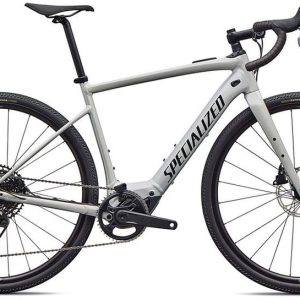 Specialized
Specialized Turbo Creo SL E5 Comp – 320 Wh – 28″ – Diamond – 2026
View DetailsSpecialized · 320 Wh · 28"Price range: 3.499,00 £ through 3.999,00 £ -
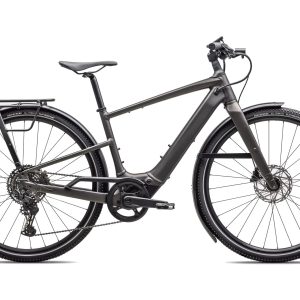 Specialized
Specialized Turbo Vado SL 2 4.0 EQ – 520 Wh – 28″ – Diamond – 2026
View DetailsSpecialized · 520 Wh · 28" · 20.3 kg2.499,00 £ -
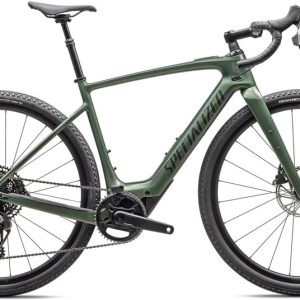 Specialized
Specialized Turbo Creo SL Comp Carbon – 320 Wh – 28″ – Diamond
View DetailsSpecialized · 320 Wh · 28" · 14.6 kgPrice range: 4.245,00 £ through 4.899,00 £ -
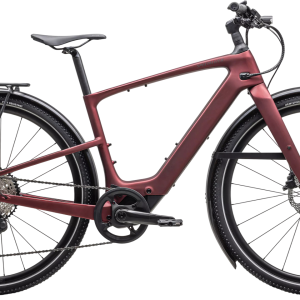 Specialized
Specialized Turbo Vado SL 2 6.0 EQ Carbon – 520 Wh – 28″ – Diamond – 2026
View DetailsSpecialized · 520 Wh · 28"Price range: 0,00 £ through 6.500,00 £ -
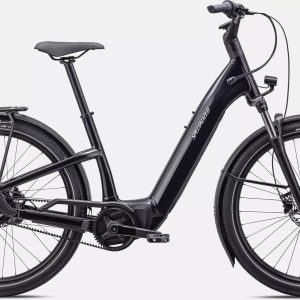 Specialized
Specialized Turbo Como 3.0 IGH Cast Black / Silver Reflective 2022 – Unisex-27.5″ –
Price range: 1.799,00 £ through 3.000,00 £View Details -
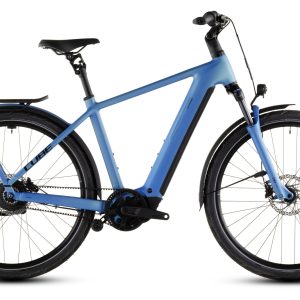 Cube
CubeCube Kathmandu Hybrid Comfort Pro 800 – 800 Wh – 28″ – Diamond – 2026
View DetailsBosch · 800 Wh · 28"Price range: 3.499,00 £ through 3.749,00 £ -
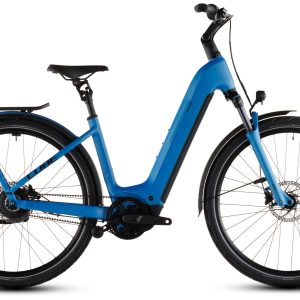 Cube
CubeCube Kathmandu Hybrid Comfort Pro 800 – 800 Wh – 28″ – Step-through – 2026
View DetailsBosch · 800 Wh · 28"Price range: 3.499,00 £ through 3.799,00 £ -
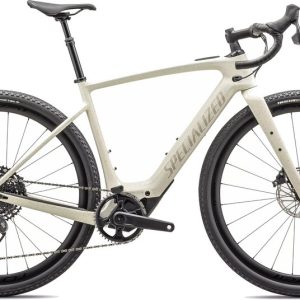 Specialized
Specialized Turbo Creo SL Expert Carbon – 320 Wh – 28″ – Diamond
View DetailsSpecialized · 320 Wh · 28"6.399,00 £ -
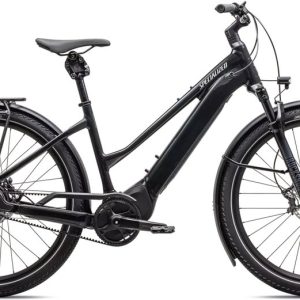 Specialized
Specialized Turbo Vado 5.0 IGH ST NB – 710 Wh – 27.5″ – Trapezeee
View DetailsSpecialized · 710 Wh · 27.5"3.599,00 £ -
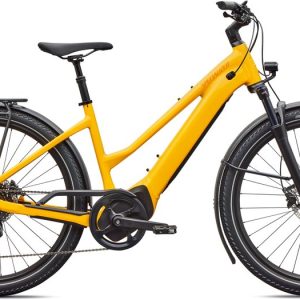 Specialized
Specialized Turbo Vado 4.0 ST – 710 Wh – 27.5″ – Trapezeee – 2026
View DetailsSpecialized · 710 Wh · 27.5"2.799,00 £
E-bikes combine pedal power with motor assistance, making them useful for commuting, longer rides and routes with hills or a loaded bike. The category covers very different designs: a comfortable urban bike is set up for everyday journeys, while an electric road or gravel bike prioritises a sportier riding position and efficient progress. Touring models are generally intended for longer rides and carrying more kit, although equipment and suitability vary by individual bike.
The best choice depends on where and how you ride, how much assistance you want, and whether you need practical features such as lights, mudguards, a rack or a removable battery. Motor position, battery capacity, gearing, brakes, tyre choice and frame fit all affect the experience. A larger battery can be useful for longer or more demanding rides, but it can also add weight; the quoted capacity alone cannot tell you exactly how far a bike will go.
SuperBike8 is a price comparison site, not a bike shop. You can compare available e-bikes and retailer offers, then continue to the retailer you choose. Check that the offer is for the exact frame size, colour and specification you want: similar model names can refer to different versions or model years. Ordering, payment, delivery, returns, warranty and customer service are handled directly by the retailer.
Choose an e-bike for the way you ride
Start with your regular journeys rather than the motor or battery headline figures. Think about distance, hills, surface, luggage, storage and how often you will need to carry the bike. The category includes dedicated urban, road and gravel, and touring options, each designed around different priorities.
- E-City & Urban Bikes suit everyday riding and commuting. Depending on the model, practical equipment may include mudguards, lights, a kickstand or a rack. Check the actual specification rather than assuming these are included.
- Electric Road & Gravel Bikes are aimed at riders who want a more sporting feel on tarmac, gravel or mixed surfaces. Riding position, tyre clearance, gearing and tyre type are important considerations.
- Electric Touring Bikes are intended for longer rides and touring-style use. Look at the carrying capacity and provision for luggage, as well as the comfort and range you need for your routes.
These descriptions indicate broad intended use, not a guarantee that every bike in a group has identical features. If your rides combine commuting, weekend trails and longer trips, prioritise the surface and load you encounter most often. A bike that performs well for one purpose may involve compromises elsewhere: a more upright position can feel relaxed in town, while a sportier position may be more suitable for sustained faster riding.
Motor assistance and riding feel
E-bike motors can be positioned around the crank, in the rear hub or, on some designs, in the front hub. A mid-drive motor works through the bike's drivetrain, so the selected gear affects how the system responds on a climb. Hub motors drive the wheel directly and can produce a different sensation under acceleration. The location and control system influence weight distribution and handling, so consider a test ride where possible.
Motor power figures do not by themselves describe how natural or useful the assistance will feel. Assistance modes, sensors, gearing, the bike's total weight and the terrain all contribute. A steep route with luggage places different demands on the system from a flat daily commute. Think about whether you want a gentle boost, stronger help on climbs, or assistance mainly to make longer rides more manageable.
For use on public roads in Great Britain, a standard electrically assisted pedal cycle (EAPC) generally needs working pedals and a motor with a maximum continuous rated power of 250W; assistance must cut out when the bike reaches 15.5 mph, although you can pedal faster. Riders must be at least 14 years old. Different rules can apply to vehicles that do not meet EAPC requirements, and rules may differ in other parts of the UK. Check current official guidance for your location and the specific bike before riding.
Battery capacity, range and charging
Battery capacity, often shown in watt-hours (Wh), is useful when comparing bikes, but it is not a guaranteed distance figure. Range changes with rider and luggage weight, hills, wind, temperature, tyre pressure, terrain, riding speed, assistance mode and battery condition. A rider using high assistance on steep climbs may use energy much faster than someone riding a flat route with a lower support setting.
Consider your longest regular ride and whether you can recharge at your destination. A removable battery can be convenient if you need to charge indoors or keep the bike in a shared storage area, but confirm how it is removed and whether the charger is included. If the battery stays on the bike, check that you can access a suitable charging point where you store it. Ask the retailer about the supplied charger and battery details for the exact version.
A larger battery may provide more energy for demanding rides, but it can add weight and cost. If you mostly make short trips with frequent opportunities to charge, the largest capacity may not be necessary. Conversely, for long routes or regular climbing, a smaller battery may mean planning more carefully around assistance use and charging.
| Riding pattern | What to prioritise | Trade-off to consider |
|---|---|---|
| Short urban journeys | Easy handling, suitable gearing, practical equipment and convenient charging | Extra battery capacity may add weight if your routes are short and mostly flat |
| Hilly or longer rides | A suitable motor system, useful low gears, battery capacity and comfortable fit | More assistance and capacity can mean more weight; actual range still varies |
| Road and gravel riding | Position, tyre choice, clearance and a control system that suits your pace | A sportier set-up may be less comfortable for stop-start urban use |
| Touring with luggage | Comfort, appropriate gearing, carrying provision and energy for your planned route | A loaded bike is heavier and can use more assistance on climbs |
Frame fit, riding position and handling
A correct frame size matters for control, comfort and efficient pedalling. Manufacturers use different sizing systems and geometry, so an S, M or L is not identical across brands. Use the manufacturer's size chart for the exact model and check the recommended rider height alongside measurements such as reach and stack where available. Inseam can also help assess whether you can stand over the frame comfortably, but it should not be the only basis for choosing a size.
Reach describes the horizontal distance from the bottom bracket area to the front of the frame, while stack describes its vertical height. Together with handlebar and stem set-up, these measurements help explain whether a bike will feel stretched out or upright. A more relaxed posture can suit steady urban and touring rides; a lower, longer position may feel more suitable for faster road riding. Do not assume that moving the saddle far forward or back will correct a frame that is fundamentally the wrong size.
E-bikes can be heavier than comparable non-electric bikes because of the motor and battery. If you need to lift yours onto a rack, carry it up steps or store it in a small space, check the listed weight and consider how it is distributed. A removable battery can reduce the weight you need to lift in one go, but the frame itself may still be substantial.
Components, comfort and everyday equipment
Gearing should match your route and the load you expect to carry. Low gears make it easier to keep pedalling up steep climbs, while closely spaced gears can help maintain a comfortable cadence on steadier terrain. Motor assistance does not remove the need for suitable gearing, particularly if the battery is depleted or you want to conserve energy.
Brakes deserve particular attention because an e-bike and its luggage can create a heavier system to slow down. Compare the brake type and specification on each model, and consider your route and riding conditions. Frequent wet-weather use, steep descents and heavier loads make reliable braking and regular maintenance especially important. Follow the manufacturer's guidance for inspection and replacement of brake pads and other wear parts.
Tyres affect grip, comfort and rolling feel. Wider tyres can offer more cushioning and stability on rougher surfaces, while tyres designed for smoother roads may feel more efficient on tarmac. Check the tyre size and the frame's clearance before assuming a different tyre can be fitted. If you plan to ride in winter or on unpaved routes, look for a tread and width suited to those conditions rather than relying only on the original product photographs.
For commuting, check whether the exact bike includes lights, mudguards, a rack, a lock or a kickstand; these are not universal inclusions. For touring, confirm how luggage can be carried and check any stated load limits. Accessories also need to be compatible with the frame, battery and any existing mounting points. The product specification is more reliable than a lifestyle image, which may show accessories sold separately.
Maintenance and long-term ownership
An e-bike still needs ordinary bicycle care. Keep tyres correctly inflated, clean and lubricate the chain as appropriate, and check the brakes, gears, wheels and fasteners regularly. The motor and electrical system add components that should be inspected and serviced in line with the manufacturer's instructions. Avoid using cleaning methods that could force water into electrical parts, and follow the guidance supplied with the bike and battery.
Battery care varies by manufacturer and system. Use the supplied or approved charger, store and charge the battery as instructed, and avoid leaving it in conditions the manufacturer warns against. If you expect to keep the bike for several years, check what support and replacement options the maker provides for the battery and electrical system. Warranty terms and servicing arrangements are specific to the product and are handled by the retailer or relevant manufacturer, not SuperBike8.
Compare e-bike prices and specifications carefully
Retailers may list different prices for the same model, and discounts can vary by frame size, colour or model year. A previous-year bike or an older colourway may be more affordable and can still suit your needs, but specifications may have changed between versions with similar names. Compare the motor, battery, components and included accessories, not just the headline model name.
Before comparing offers, make sure they refer to the same frame size, colour and specification. Check whether a listing is for a complete bike or a particular bundle, and look for delivery costs that affect the total price. Bikes may be delivered partially assembled; check the retailer's listing for what assembly is offered and what you may need to complete before riding. Once you select an offer on SuperBike8, you continue to that retailer for the product details and purchase.
Typical e-bike buying mistakes
- Choosing by battery capacity alone instead of considering route, assistance use, terrain and charging access.
- Assuming that a stated range is guaranteed; real-world range depends on conditions and how the bike is ridden.
- Buying a frame size based only on an S/M/L label without checking the manufacturer’s chart and geometry.
- Choosing a road-focused design for rough surfaces without checking tyre clearance, tyre type and intended use.
- Overlooking the extra effort needed to lift or store a heavier bike, especially if the battery is not removable.
- Assuming mudguards, lights, a rack or other pictured accessories are included without checking the specification.
- Comparing offers with similar names but different model years, components, battery versions or colours.
- Forgetting to check delivery costs, assembly arrangements and whether the retailer’s offer is for a complete bike.
Three typical buying decisions for E-Bikes
1. A practical bike for daily commuting
If your journeys are mostly on roads and cycle paths, start with the urban options and check fit, handling and everyday equipment. Confirm whether mudguards and lights are included, and think about where the bike will be charged and stored. If the route is short and fairly flat, convenience and manageable weight may matter more than choosing the largest battery.
2. A sportier bike for road and gravel rides
For mixed surfaces and longer recreational rides, compare the riding position, tyre clearance, gearing and intended terrain. A road-leaning set-up may suit smoother routes, while tyres and clearance suited to gravel can offer more flexibility on rougher tracks. Check the exact specification and do not assume every electric road or gravel bike is designed for the same surfaces.
3. A touring bike for hills and luggage
If you expect to ride longer routes with bags, look for a comfortable fit, suitable low gearing and clear information about luggage provision and load limits. Consider how the loaded bike will affect assistance use and range, and plan charging around the journeys you actually make. Compare battery details and complete-bike specifications rather than relying on a single range claim.
Your checklist before you order
- Does the bike suit your main riding style, route surfaces and typical journey length?
- Have you checked the manufacturer’s size chart for the exact frame and model?
- Does the riding position suit your comfort and the duration of your rides?
- Are the motor type and assistance controls suitable for your terrain and preferences?
- Is the battery capacity appropriate for your routes, and where will you charge it?
- Have you treated range as an estimate rather than a guaranteed distance?
- Are the gearing and brakes appropriate for hills, riding conditions and luggage?
- Are tyre size, tread and clearance suitable for the surfaces you intend to ride?
- Are mudguards, lights, rack and other accessories included in the specific offer?
- Have you checked the bike’s weight and how you will store, lift or transport it?
- Does the offer specify the same model year, colour, size and component version you intend to compare?
- Is the listing for a complete bike rather than a part or bundle with different contents?
- Have you checked delivery costs and the retailer’s assembly arrangements?
- Have you reviewed the retailer’s product details, warranty information and terms before ordering?
Frequently asked questions about E-Bikes
How do I choose the right e-bike?
Start with your main use: commuting, road and gravel riding, or touring. Then compare fit, motor system, battery, gearing, tyres, practical equipment and weight against your routes and storage needs. Check the exact model specification and the manufacturer’s size chart before choosing.
How far can an e-bike travel on one charge?
There is no single distance that applies to every e-bike. Range depends on factors including battery capacity, assistance mode, hills, wind, temperature, rider and luggage weight, tyres and riding style. Use manufacturer information as a guide and allow for the conditions on your own routes.
What is the difference between an urban, road and touring e-bike?
Urban models are generally oriented towards everyday journeys and may offer practical equipment. Electric road and gravel bikes tend towards a sportier riding position and are designed around road or mixed-surface riding. Touring models are intended for longer trips and may prioritise comfort and luggage use. Check each bike’s actual specification and intended use.
Are e-bikes legal to ride on UK roads?
In Great Britain, an EAPC generally needs pedals, a motor with a maximum continuous rated power of 250W and assistance that cuts out at 15.5 mph. Riders must be at least 14. Other vehicle types and locations may have different rules, so check current official guidance for your area and the specific bike. This is general information, not legal advice.
Are previous-year e-bikes worth comparing?
They can be worth considering if the specification meets your needs, and older colours or model years may be discounted. Do not assume that a similar model name means the same components or electrical system. Compare the exact model year, battery, motor, size and included equipment.
What should I check when comparing e-bike offers?
Compare the exact model, size, colour, model year, motor, battery and components. Check what accessories are included, whether the listing is for a complete bike, and any delivery costs or assembly arrangements. On SuperBike8 you compare retailer offers; ordering and the associated services are handled by the retailer you choose.